Trump’s Funding Freeze: A Jolt to Tesla’s Charging Ambitions
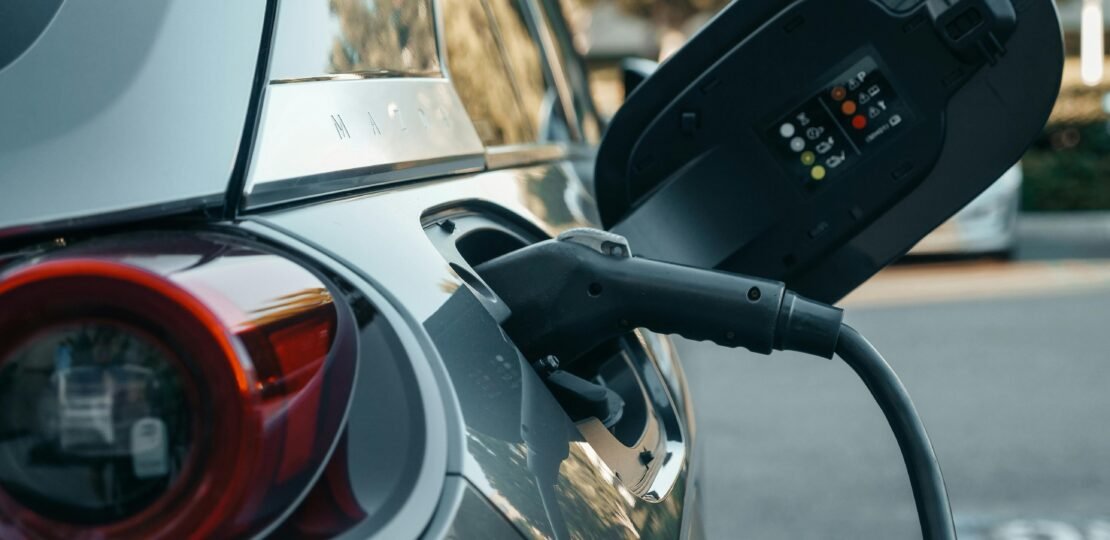
President Donald Trump’s recent move to freeze funding for electric vehicle (EV) charging infrastructure could potentially impact Tesla significantly. Tesla has been leveraging two key programs to expand its market-leading EV charging network, but with Trump’s latest executive order, the flow of funds from these programs is now uncertain. This situation presents a curious dichotomy, where Elon Musk’s political engagements appear to clash with Tesla’s goal of promoting sustainable energy.
The Executive Order and Its Implications
Among the executive orders signed by Trump on his second term’s inaugural day was one that mandated all federal agencies to pause disbursement of funds from initiatives under the Inflation Reduction Act and the Bipartisan Infrastructure Law. Specifically, this impacts the National Electric Vehicle Infrastructure (NEVI) Formula Program and the Charging and Fueling Infrastructure (CFI) grant program, both pivotal in supporting EV infrastructure development.
“All agencies shall immediately pause the disbursement of funds,” Trump declared in his order.
{Executive Order Text}
Tesla’s Stake in the Game
Tesla has been actively involved in these programs. Recently, it was part of a consortium awarded $100 million from the CFI program to bolster charging infrastructure for electric trucks in Illinois. Although this is a fraction of the nearly $2 billion allocated by the Department of Transportation over two years, Tesla’s involvement underscores its commitment to expanding its Supercharger network.
- The company’s grant from NEVI amounted to around 13% of all awards as of mid-2024.
- These funds have been instrumental in opening Tesla’s Supercharger network to other EVs.
Navigating Legal Waters
The potential halting of funds raises legal questions. According to Martin Lockman, a fellow at Columbia Law School’s Sabin Center for Climate Change Law, Trump’s administration may face hurdles under the Impoundment Control Act, which restricts presidential power to withhold congressionally approved spending. If legal battles ensue, it could delay or complicate funding.
“There’s a lot of wiggle room here,” Lockman noted, emphasizing potential delays.
{Martin Lockman}
The Path Ahead
If existing contracts are contested, entities like Tesla may have to take legal action to secure their funding—posing a significant challenge in advancing EV infrastructure. Ultimately, this clash between political maneuvering and sustainable energy goals could act as a barrier, complicating efforts for companies invested in clean energy solutions.